 Dental Emergencies Welcome
 Free Second Opinions
 (972) 546-3888
 Request an Appointment
All-on-4 Candidacy Checklist And Alternatives
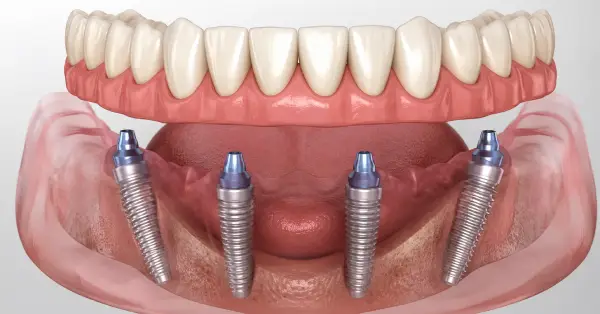
If you are searching for All On 4 dental implants in Grand Prairie, you are probably not just looking for a new smile. You are trying to figure out whether this is truly the right solution for your mouth, your health, and your day-to-day life, or whether another implant option would fit better.
In our previous blog, "Emergency Dentistry: How to Prepare a Dental Kit," we focused on handling urgent situations. In this article, we focus on planned decision-making: candidacy, red flags, and realistic alternatives when you are considering full-arch implants.
TL;DR - A Quick Candidacy Check For All-on-4
All-on-4 is typically a full-arch implant solution. The best candidates are missing most teeth or have failing teeth and want a stable, long-term plan. The best way to avoid a salesy pitch is to walk into your consult with a checklist and questions that uncover the real decision points.
- All-on-4 is usually considered when you need to replace most or all teeth in an upper or lower arch.
- Healthy habits and follow-up care matter as much as the procedure itself.
- Bone and gum health affect what is possible, but alternatives often exist.
- If only a few teeth are missing, traditional dental implants or a bridge may be more appropriate.
- Bring consult questions about maintenance, contingencies, and long-term repairs.
What All-on-4 Is Actually For And What It Is Not
All-on-4 is generally designed to restore a full arch of teeth, upper or lower, using four implants as support for a fixed set of replacement teeth. That makes it most relevant when the problem is widespread tooth loss or widespread tooth breakdown.
It is usually not the first choice when you are missing one tooth, missing a couple teeth in a row, or when the rest of your mouth is stable. In those situations, traditional dental implants in Grand Prairie may be planned in a more targeted way to replace specific teeth.
All On 4 Dental Implants In Grand Prairie: Who Is A Good Candidate?
1) People With Widespread Tooth Loss Or Failing Teeth
All-on-4 is most commonly discussed when you are missing most teeth in an arch, or when the remaining teeth are failing and you are facing repeated major repairs. The goal is a single comprehensive plan, rather than fixing one tooth at a time.
2) Denture Wearers Who Want More Stability
If you have struggled with a loose denture, sore spots, or difficulty chewing, implant-supported options are often part of the conversation. One alternative to discuss, depending on your goals, is implant dentures, which can offer more stability than a traditional denture and may be removable or fixed based on the design.
3) Patients Who Can Commit To Aftercare And Maintenance
A big part of candidacy is not just anatomy, it is whether you can maintain the result. From our team's experience, the patients who do best long-term are the ones who prioritize hygiene, keep follow-up visits, and bring up bite discomfort early instead of waiting.
4) People Who Want A Long-Term Plan, Not A Short-Term Patch
All-on-4 can be appealing when you want to stop cycling through broken teeth, multiple extractions, or frequent denture relines. The key is confirming that the full-arch approach truly matches your needs, rather than being more treatment than necessary.
Who Should Pause, Ask More Questions, Or Consider Other Options
Being "not a perfect fit" does not always mean "no." It often means the plan needs adjustment, or you may be better served with another type of restoration. Here are common reasons to slow down and get clarity.
1) You Only Need A Few Teeth Replaced
If the rest of your teeth are healthy and you are replacing one or a few missing teeth, traditional implants or a bridge can be more conservative. If a bridge is on the table, our dental bridge page explains how bridges work and what questions to ask about durability and care.
2) You Have Uncontrolled Health Issues Or Healing Risk Factors
Some medical conditions and medications can affect healing and surgical risk. Your dentist should review your medical history and coordinate with your physician when appropriate. If you feel rushed past the health conversation, that is a sign to ask for a clearer explanation.
3) You Are Not Sure You Can Maintain The Cleaning Routine
A fixed solution can be life-changing, but it still requires daily cleaning and professional maintenance. If dexterity, mobility, or scheduling makes upkeep difficult, you may want to discuss designs that make hygiene more manageable.
4) You Are Hoping It Will Solve Every Problem Automatically
Any implant plan should be built around your bite, your functional needs, and your long-term maintenance. A good consultation includes tradeoffs, not promises. If the only message you hear is "teeth in a day" with no discussion of follow-ups, cleaning, or repairs, ask for the missing details.
A Step-By-Step Candidacy Checklist To Bring To Your Consultation
Use this checklist to keep your consult practical and decision-focused. You do not need to diagnose yourself, just gather the right information and ask for clear answers.
- How many teeth in an arch are missing or failing? Ask whether saving remaining teeth is realistic long-term, not just possible short-term.
- What is your main goal? Chewing comfort, stability, confidence, fewer repairs, or a fixed option. Different goals can point to different designs.
- What does your bone and gum health look like? Ask what the imaging shows and how it affects the plan.
- What are the realistic maintenance requirements? Ask what you will do daily and what the office does periodically.
- What could change the plan? For example, whether extra procedures might be recommended based on what is found during planning.
Consult Questions That Prevent Surprise Treatment Changes
Patients often compare multiple offices when searching for dental implants in Grand Prairie. These questions can help you compare plans on substance, not marketing.
- What are my alternatives if All-on-4 is not ideal for me?
- Is the proposed solution fixed or removable, and why?
- What does follow-up look like after the main procedure?
- What does long-term maintenance look like for this design?
- How will we handle comfort issues like bite changes or sore spots?
If cost planning is part of your decision, our insurance and financing page explains common ways patients plan for treatment.
How This Fits Into A Full Implant Plan Without Repeating The Service Page
If you are early in the process, it can help to start with the broader overview of implant options first, then come back to candidacy. Our main All-on-4 dental implants page covers what the treatment is and how implant options are commonly explained.
FAQs
Not always. Many people consider All-on-4 when most teeth are missing in an arch, or when remaining teeth are failing and would likely need repeated major dental work. A consultation is the best way to confirm whether a full-arch plan is appropriate or whether targeted dental implants or other restorations make more sense.
Some health conditions or habits can increase risk or reduce predictability, such as uncontrolled medical issues, heavy smoking, or challenges that make hygiene and follow-up difficult. In many cases, the plan is adjusted rather than abandoned. Your dentist will review your health history, imaging, and goals to recommend the safest approach.
Bone level and bone quality matter for any implant treatment. All-on-4 is often planned to maximize available bone, but some patients still need additional procedures or an alternative implant design. The only reliable way to know is with a clinical exam and diagnostic imaging.
Common alternatives include implant-supported dentures, traditional dental implants to replace individual teeth or support an implant bridge, and in some cases a non-implant dental bridge. The best option depends on how many teeth are being replaced, your bite, and your long-term maintenance preferences.
Ask what problem the plan is solving, what other options you have, what maintenance will look like, how follow-ups work, and what could change the plan, such as extra procedures. Clear answers help you choose confidently and avoid surprises later.
Related Reading
- All-on-4 dental implants in Grand Prairie
- Implant dentures: stability options for denture wearers
- Dental bridges: a non-implant way to replace a tooth
- Meet Dr. Ronak Patel
- Contact our office
Conclusion: The Best Plan Is The One That Fits Your Mouth And Your Life
If you are exploring All-on-4, focus on candidacy first: how many teeth you need to replace, whether your remaining teeth are stable long-term, and what kind of maintenance you can realistically keep up with. When those decision points are clear, choosing between All-on-4 and other implant options becomes much simpler.
Ready To Find Out What You Are A Candidate For?
If you are considering All On 4 dental implants in Grand Prairie, schedule a consultation with Dr. Ronak Patel at Fresh Family Dental. Call (972) 546-3888.


5 Stars
based on 14 reviews