 Dental Emergencies Welcome
 Free Second Opinions
 (972) 546-3888
 Request an Appointment
5 Root Canal Myths in Grand Prairie That Keep Patients in Pain Longer
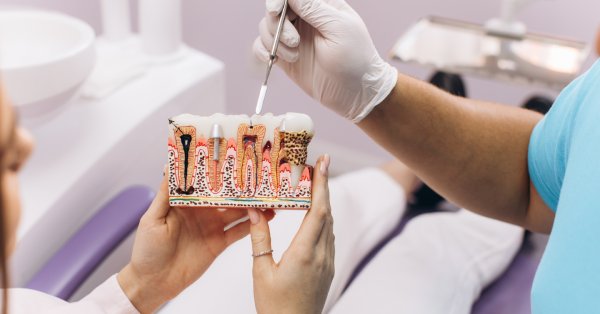
For a procedure that relieves pain rather than causes it, root canal treatment carries an unfair reputation. Most patients who put off scheduling one do so based on things they have heard from friends, seen online, or assumed from years of dental anxiety not from actual experience. Our post on the step-by-step process of a root canal laid out exactly what happens in the chair and the follow-up concern we consistently hear is: "But I thought it was going to be awful." This blog addresses that directly.
TL;DR The Truth About Root Canal Treatment in Grand Prairie
- Root canals relieve pain; they do not cause it.
- Modern anesthesia makes the procedure comparable in comfort to a routine filling.
- A root canal saves your natural tooth extraction is the more disruptive alternative.
- Delaying treatment because of fear allows infection to worsen and spread.
- Most patients return to normal activity within a day or two after treatment.
5 Root Canal Myths We Hear at Our Grand Prairie Dental Practice and the Truth Behind Each One
Fear of root canals is almost always rooted in misinformation. Here are the five myths our dental team encounters most often and the clinical reality behind each one.
-
Myth: Root Canals Are Extremely Painful
This is the most persistent myth in dentistry, and it is the one most responsible for patients delaying care. The truth is that root canal treatment does not cause pain it ends it. The source of discomfort is the infection inside the tooth, not the procedure itself. Local anesthesia is administered before any instruments are used, and the vast majority of patients feel pressure during the procedure but not pain. According to the American Association of Endodontists, patients who have had a root canal are six times more likely to describe it as painless than those who have not had one.
-
Myth: It Is Better to Just Pull the Tooth
Extraction can feel like the simpler path, but it creates a new set of problems. Once a tooth is removed, the jawbone beneath it begins to shrink because it no longer receives stimulation from chewing. Neighboring teeth drift toward the gap. Bite pressure becomes uneven. Replacing the tooth with an implant or bridge adds cost and recovery time on top of the extraction itself. A root canal in Grand Prairie preserves your natural tooth the structure, the root, and the bone around it making it the less disruptive option in almost every case where the tooth can be saved. Our dental team evaluates each case individually and recommends extraction only when no other option remains.
-
Myth: Root Canals Require Multiple Long Appointments
Many patients assume a root canal means three or four lengthy visits over several weeks. In reality, most root canal treatments at our dental practice are completed in one appointment, typically lasting one to two hours depending on the tooth location and canal complexity. A follow-up visit for crown placement is scheduled separately, but that appointment is straightforward and far shorter. Dr. Patel notes: "The majority of our root canal patients are genuinely surprised by how quickly it is over and by how much better they feel that same day." Patients who have been searching for a dentist for efficient endodontic care will find our approach is designed around your time.
-
Myth: If the Tooth Stops Hurting, You No Longer Need a Root Canal
This is one of the more dangerous misconceptions. When a severely infected tooth suddenly stops hurting, it does not mean the infection has cleared it often means the nerve tissue has died. The infection is still present and continues to spread into the surrounding bone and tissue. Tooth pain relief that happens on its own without treatment is a warning sign, not a green light. Dental office patients who come in after this kind of sudden pain relief frequently discover the infection has progressed further than it would have if they had come in when symptoms first appeared. The endodontic care patients receive at our practice addresses the infection fully, not just the symptom.
-
Myth: Root Canals Cause Illness or Systemic Problems
This claim originates from outdated research conducted over a century ago and has been thoroughly discredited by modern science. The American Dental Association and leading dental research organizations have found no credible link between root canal treatment and systemic illness. In fact, leaving a tooth infection untreated poses a far greater risk to overall health oral bacteria from an untreated abscess can enter the bloodstream and contribute to cardiovascular and other systemic complications. Root canal treatment eliminates that bacterial source. If you have heard this myth and it has made you hesitant, our dentist near you in Grand Prairie will be glad to answer any questions directly during your visit to our dental clinic.
Frequently Asked Questions About Root Canal in Grand Prairie
1. How do I know if I actually need a root canal?
Common indicators include persistent toothache, prolonged sensitivity to heat or cold, swelling near the tooth, gum tenderness, or a visible pimple on the gum. A clinical exam and X-ray confirm whether the pulp is infected. Our dental team will give you a clear diagnosis and explain all treatment options before anything is scheduled.
2. Can a root canal fail?
Root canal treatment has a high success rate when performed properly and followed by a permanent crown. In rare cases, reinfection can occur often because the crown was delayed or oral hygiene was not maintained. If a treated tooth develops new symptoms, a retreatment procedure can address the issue and save the tooth again.
3. Is there an alternative to a root canal if I am anxious about treatment?
Anxiety management is something we take seriously at Fresh Family Dental. Our office environment is designed to be calm and comfortable, and Dr. Patel takes time before every procedure to make sure each patient feels informed and at ease. For patients with significant dental anxiety, we discuss additional comfort options during the consultation.
4. How long does recovery take after a root canal?
Most patients experience mild soreness for one to three days after treatment, managed comfortably with over-the-counter pain relief. Normal eating and activity can typically resume within a day. Once the permanent crown is placed, the tooth functions like any other in your mouth.
Fear Should Not Stand Between You and a Tooth Worth Saving
The myths surrounding root canal treatment have kept too many patients in pain for too long and that is something our dental team at Fresh Family Dental works to change one conversation at a time. If a tooth has been bothering you and you have been putting off getting it checked, now is the right time. Call us at (972) 546-3888 to schedule your root canal consultation in Grand Prairie straightforward, comfortable care is exactly what we do.


5 Stars
based on 14 reviews