 Dental Emergencies Welcome
 Free Second Opinions
 (972) 546-3888
 Request an Appointment
Root Canal Myths vs. Facts: The Truth About Pain, Safety, and Waiting
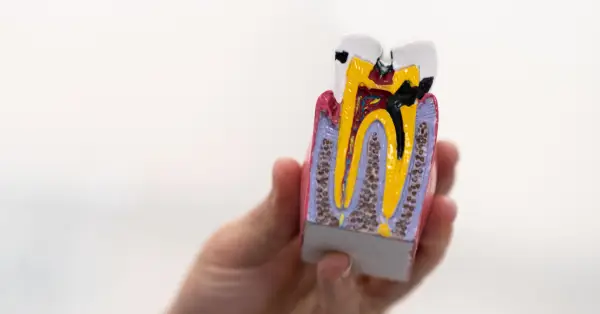
If you are searching for a root canal in Grand Prairie, there is a good chance you are also looking for reassurance. Root canals have a reputation for being painful or risky, and those myths can stop people from getting care when they need it most.
In our previous blog, "Emergency Dentistry: How to Prepare a Dental Kit," we discussed how to be ready for sudden dental problems. In this article, we focus on what to believe (and what not to) before root canal treatment, so you can make decisions with less fear and more facts.
TL;DR - Root Canal Myths, Cleared Up
Root canal treatment is designed to remove infection and relieve pain, not cause it. If you are dealing with a severe toothache, sensitivity, or swelling, waiting can make things harder and may reduce the chance to save the tooth.
- Myth: Root canals are unbearable. Fact: Modern pain control makes treatment manageable for most patients.
- Myth: Pulling the tooth is always easier. Fact: Saving a natural tooth can help your bite and long-term options.
- Myth: If pain comes and goes, it is fine to wait. Fact: Infection can still be active even when symptoms fluctuate.
- Myth: Root canals are not safe. Fact: Root canal therapy is a common, established dental treatment.
- If you have severe pain or swelling, consider emergency dentistry in Grand Prairie to get evaluated quickly.
Why Root Canals Get A Bad Reputation
Many people connect root canals with pain because they remember what a tooth infection feels like. The infection itself can cause throbbing, pressure, and sensitivity that radiates into the jaw or head. Root canal treatment is designed to address the source of that pain.
From our team's experience, one of the biggest turning points is when patients realize the goal is comfort and relief. The sooner the tooth is evaluated, the more straightforward the plan often becomes.
Myth Vs. Fact: What Patients Should Know Before A Root Canal
Myth 1: "A Root Canal Is The Most Painful Dental Procedure"
Fact: Modern dentistry focuses on keeping you comfortable. Many patients report that the pain before treatment (from the infection) is worse than the treatment itself. If you are anxious about dental visits, it may help to review our anxiety management options and talk through what helps you feel more at ease.
Myth 2: "If The Pain Stops, The Problem Is Gone"
Fact: Tooth pain can be unpredictable. A nerve can become less responsive even while infection is still present. That is why a changing symptom does not always mean the tooth is healing. If you have had repeated flare-ups, it is worth getting checked.
Myth 3: "You Should Always Just Pull The Tooth"
Fact: Extraction can be the right choice in some situations, but it is not automatically the easiest path long-term. Replacing a missing tooth can require additional planning and treatment. If a tooth can be saved, preserving it often supports more natural chewing and bite stability.
If you are weighing options, our root canal service page explains signs, alternatives, and what to expect.
Myth 4: "Root Canals Cause Illness"
Fact: This claim is a common internet rumor that tends to resurface. A root canal is intended to remove infected tissue from inside the tooth and seal it to reduce future bacterial contamination. If you have questions about safety, medications, or medical conditions, bring your full health history to your appointment so we can discuss what is appropriate for you.
Myth 5: "You Only Need Emergency Care If Something Breaks"
Fact: A severe toothache, facial swelling, or pain that keeps you up at night can be a dental emergency. If you are not sure whether your symptoms qualify, our emergency dentistry information can help you understand when to call.
What Usually Causes A Tooth Infection In The First Place?
A root canal is typically recommended when the pulp (the inner tissue of the tooth) becomes inflamed or infected. Common reasons include:
- Deep decay that reaches close to the nerve
- A cracked or fractured tooth (even if you cannot see the crack)
- Repeated dental work on the same tooth over time
- Trauma to the tooth that affects the nerve
What Happens If You Wait Too Long?
Waiting can increase discomfort and can also reduce how much healthy tooth structure is left to work with. Infection may spread beyond the tooth into surrounding bone and soft tissue. In some cases, the tooth becomes too compromised to save.
When To Call For Emergency Dentistry In Grand Prairie
Consider calling promptly if you have any of the following:
- Severe tooth pain that does not improve
- Swelling in the gum, face, or jaw
- A pimple-like bump on the gum that drains or tastes bad
- Fever or feeling unwell along with dental pain
- A cracked tooth plus sensitivity to biting pressure
If you have trouble breathing, trouble swallowing, or rapidly worsening swelling, seek urgent medical evaluation immediately.
How We Help Patients Feel More Comfortable (Without Overpromising)
Fear is real, especially if you have had a painful dental experience in the past. At Fresh Family Dental, Dr. Ronak Patel and our team focus on clear explanations, comfort-first pacing, and making sure patients know what is happening and why. In our day-to-day experience, patients feel more in control when they understand what is causing the pain and what the next step is.
FAQs
Most patients are surprised that a modern root canal feels more like getting a filling than the scary stories they have heard. The goal is to get you comfortable, treat the infection, and relieve the pain that brought you in.
Delaying care can allow the infection to spread and the tooth structure to weaken. Waiting often turns a manageable dental problem into a more urgent situation and can increase the chance that the tooth cannot be saved.
If a tooth can be predictably saved, keeping your natural tooth often helps with chewing, bite stability, and long-term options. However, each case is different. An exam helps determine whether root canal treatment or extraction is the safer choice.
A dental infection can sometimes be linked with swelling, fever, or feeling unwell. If you have facial swelling, fever, trouble swallowing, or trouble breathing, seek urgent medical evaluation immediately.
If your toothache is severe, keeps you awake, worsens quickly, or comes with swelling, a bad taste, or sensitivity that does not improve, you should contact an emergency dentist. Prompt care can reduce pain and help protect the tooth.
Related Reading
- Root canal treatment
- Emergency dentistry
- Dental anxiety management
- Tooth extraction
- Meet Dr. Ronak Patel
Conclusion: Facts Lower Fear, And Faster Care Protects Teeth
Root canals are often misunderstood. The reality is that root canal therapy is a common way to treat infection and help patients get back to normal eating, sleeping, and daily life. If you suspect you may need a root canal, the best next step is an exam so you are not stuck guessing.
Need Help With Tooth Pain Today?
If you are dealing with tooth pain and want answers about a root canal in Grand Prairie or urgent options, contact Fresh Family Dental to schedule an evaluation. Call (972) 546-3888.


5 Stars
based on 14 reviews