 Dental Emergencies Welcome
 Free Second Opinions
 (972) 546-3888
 Request an Appointment
Root Canal or Extraction? Grand Prairie Decision Guide
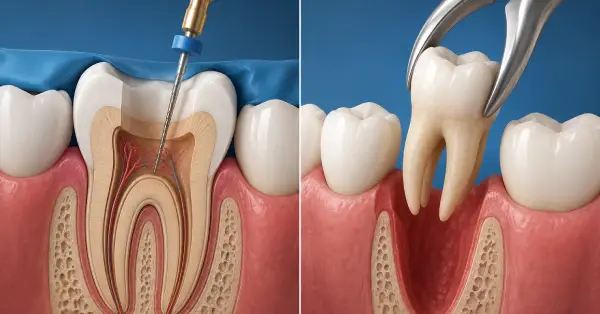
When you have a toothache that will not quit, you usually want one thing: fast relief. But the next question is just as important: can the tooth be saved, or is it smarter to remove it? If you are searching for Root Canal Grand Prairie while in pain, this guide is meant to help you make a clear, practical decision and know what to do next.
In our previous blog, Emergency Dentistry: How to Prepare a Dental Kit, we discussed how to handle unexpected dental problems at home. In this article, we focus on the decision point many patients face once they are in the chair: save the tooth with a root canal, or move forward with an extraction.
TL;DR How To Decide Quickly And Safely In Grand Prairie
A root canal is usually the best choice when a tooth can be restored and you want to keep your natural bite. Extraction can make more sense when the tooth is too damaged to predictably fix or the long-term outlook is poor.
- Save it when the tooth has enough structure to rebuild and the infection is treatable.
- Remove it when the tooth is structurally hopeless, such as certain severe cracks, extensive decay, or major support loss.
- Swelling, fever, or spreading pain means you should seek urgent care, and sometimes medical care.
- Do not decide based on pain alone; some "dead" teeth do not hurt much, but still need treatment.
- If you need help now, emergency dentistry in Grand Prairie can start with diagnosis and a same-day plan when possible.
What A Root Canal Can Save Beyond Just The Tooth
The goal of a root canal is not to "do more work." It is to keep a natural tooth functioning when the nerve tissue inside the tooth is inflamed or infected. When saving the tooth is realistic, it can help protect how your bite fits together and reduce the chain reaction that can happen after a tooth is lost, including shifting, uneven chewing, and new areas that trap food.
If you want a deeper overview of indications and aftercare, see our root canal service page, which goes into signs, recovery, and alternatives.
When Extraction Makes More Sense Than Saving The Tooth
There are times when removing a tooth is the most predictable, healthiest choice. The key word is predictable: dentistry is not only about what can be done, but what can reasonably last.
Common "Extraction Is More Predictable" Scenarios
- Severe structural damage: the tooth is so broken down that it cannot hold a long-term restoration.
- Certain crack patterns: cracks that extend deep below the gumline, or teeth that appear split, are often not savable.
- Advanced support loss: if gum and bone support is significantly compromised, saving the tooth may not be stable.
- Repeated major retreatment: a history of multiple large procedures on the same tooth can change the long-term outlook.
If extraction is recommended, our tooth extraction page covers preparation, what to expect, and post-extraction management.
A Pain-First Decision Guide: Real-Life Scenarios
-
Large Cavity With Throbbing Pain, Especially At Night
This pattern often points to deep decay that has irritated or infected the nerve. If enough tooth structure remains to restore the tooth, a root canal may be recommended to remove the infection inside the tooth and help you keep it.
-
Swelling, a "Pimple" on the Gum, or a Bad Taste
Swelling or drainage can signal an abscess. This should be evaluated urgently. From our team's experience, patients often feel temporary relief when pressure drains, but the infection source is still there and needs treatment.
If you are unsure whether it counts as urgent, our emergency dentistry page explains common signs that you should be seen quickly.
-
Cracked Tooth Pain When Chewing
Cracks can be tricky because symptoms vary. Some cracks are treatable and the tooth can be protected. Others extend too far and make saving the tooth unrealistic. The deciding factor is usually the depth and direction of the crack and whether the tooth can be sealed and reinforced.
-
A Tooth That Does Not Hurt Much, But Looks Dark or Has a History
A tooth can be non-vital, meaning the nerve is no longer healthy, without constant pain. If infection is present at the root tip on X-ray, a root canal may still be recommended even if the tooth is only mildly sensitive.
What To Do Right Now If You're In Pain
If you are in severe discomfort, focus on safe next steps while you arrange care. Here is a practical checklist:
- Call for an evaluation so the cause is diagnosed, because pain location can be misleading.
- Avoid chewing on that side and protect the tooth from additional cracking.
- Use gentle warm saltwater rinses if gums are irritated, but do not apply heat directly to facial swelling.
- Bring a list of symptoms, including what triggers pain, how long it lasts, swelling, bad taste, and recent dental work.
How We Help You Decide: The Save vs Remove Checklist
At Fresh Family Dental, Dr. Ronak Patel and our team typically focus on three decision pillars during an exam:
- Restorability: is there enough healthy tooth left to rebuild and protect it?
- Stability: is the tooth supported well enough by bone and gums?
- Long-term plan: if you remove it, what will you replace it with, and how soon?
This is also where "dentist near you" matters. If you are searching for a dentist near you in Grand Prairie, consider how easy it will be to get follow-ups for pain checks, bite adjustments, and restoration visits after the urgent problem is stabilized.
If You Do Need Extraction: Do Not Skip The Replacement Conversation
Extracting a tooth may stop the pain, but it can create a new decision: how to restore function and prevent shifting. One common replacement option is a bridge. If you are weighing that route, our dental bridge information can help you compare benefits and limitations.
Frequently Asked Questions About Root Canal or Extraction
In general, a root canal is considered when a tooth can be restored and the goal is to save it for long-term function. Extraction is considered when the tooth cannot be predictably restored, for example, severe structural damage, certain fracture patterns, or advanced periodontal support loss. The decision is made after an exam and X-rays to evaluate the root, bone support, and remaining tooth structure.
Swelling can be a sign of infection and should be evaluated urgently. If swelling is rapidly increasing, affects the eye or neck, causes trouble swallowing or breathing, or is accompanied by fever, seek emergency medical care right away. Otherwise, contact an emergency dentist as soon as possible for evaluation and treatment.
Some cracked teeth can be saved, especially when the crack is limited and the tooth can be protected with a restoration such as a crown. However, certain fractures, including those that extend deep below the gumline or split the tooth, may make extraction the more predictable option. An exam and imaging are needed to determine how far the crack goes.
Waiting can allow infection to worsen, increase pain, and reduce the chance a tooth can be saved. In some cases, infection can spread into the surrounding bone and soft tissues. If you suspect an infection, it is best to schedule an evaluation promptly.
Common options include a dental bridge, an implant-supported tooth, or a denture or implant denture depending on how many teeth are missing. The best choice depends on your bite, bone support, and goals for comfort and maintenance.
Related Reading
- Root canal treatment in Grand Prairie
- Emergency dental care and when to come in
- Tooth extraction information and aftercare tips
- Dental crowns, often needed after saving a tooth
- Meet Dr. Ronak Patel
Bottom Line: The Best Choice Is The One That Lasts
When a tooth is restorable, a root canal can preserve your natural bite and help you avoid the domino effect of tooth loss. When a tooth is not predictably fixable, extraction can be the healthiest and most straightforward way to end pain and move forward. Either way, the fastest path to relief is an accurate diagnosis.
Need Help Fast?
If you are dealing with tooth pain and deciding between a root canal and extraction, our team at Fresh Family Dental can help you make a clear plan. For urgent concerns or emergency dentistry in Grand Prairie, call (972) 546-3888.


5 Stars
based on 14 reviews