 Dental Emergencies Welcome
 Free Second Opinions
 (972) 546-3888
 Request an Appointment
Step-by-Step Process for Dental Implants in Grand Prairie
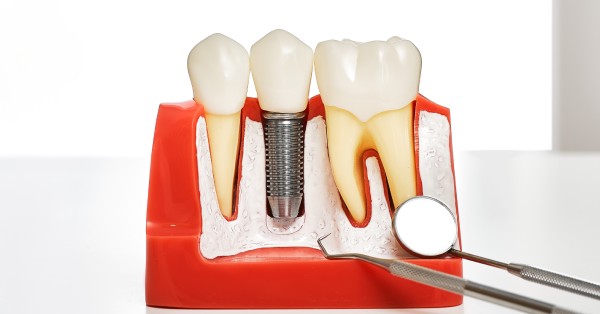
TL;DR Steps for Dental Implants: The process for dental implants usually includes five main stages: consultation, treatment planning, implant placement, healing, and final restoration. Each step helps create a stable foundation for a natural-looking smile. Patients searching for dental implants near you can benefit from understanding the treatment journey before starting care.
Missing teeth can affect more than appearance. They can make chewing harder, change speech patterns, and reduce confidence in daily life. That is why many patients choose dental implants in Grand Prairie as a long-term option for replacing missing teeth. The implant process is completed in stages so the final result looks natural, feels secure, and supports long-term oral function.
Previous Blog Reference: Fixed vs Temporary Implant Restorations
If you want more background on how restorations may be used during treatment, our previous blog about fixed vs temporary implant options explains the differences in a simple and helpful way.
The 5 Key Steps Involved in the Dental Implant Process
Understanding the full treatment process can help patients feel more prepared. While every case is different, the journey for dental implants usually follows five clear steps. Each one plays an important role in building a strong and lasting result.
-
Step 1: Consultation and Oral Examination
The first step is a detailed consultation. During this visit, the dentist examines the teeth, gums, and jawbone to determine whether implants are the right option. This evaluation helps identify the condition of the mouth and shows whether enough support is present for treatment.
The consultation is also the time to discuss how many teeth need to be replaced and what type of result the patient wants to achieve. Some people are replacing one missing tooth, while others may be exploring full-arch solutions such as All on 4 dental implants in Grand Prairie. Starting with a thorough examination helps create a treatment plan that fits the patients needs.
-
Step 2: Personalized Treatment Planning
Once the examination is complete, the next step is treatment planning. This stage maps out how the implant process will move forward. The dentist determines the number of implants needed, the type of restoration that will be placed, and the general timeline for care.
A personalized plan is important because no two smiles are exactly the same. Patients looking for dental implants near you often benefit from a customized approach that considers both oral health and long-term function. Careful planning also helps improve accuracy during the next stages of treatment.
-
Step 3: Dental Implant Placement
After planning is complete, the implant is placed into the jawbone. The implant is a small post that acts like an artificial tooth root. It is positioned carefully to create the base for the future crown, bridge, or denture.
This is one of the most important parts of the process because the implant provides the support needed for the final restoration. Patients choosing dental implants often prefer this option because it creates a stable foundation rather than relying on a removable solution. In cases of full-mouth restoration, All-on-4 dental implants may be recommended to support an entire arch with fewer implants.
-
Step 4: Healing and Bone Integration
After the implant is placed, the mouth needs time to heal. During this period, the jawbone gradually bonds with the implant in a natural process called osseointegration. This step is essential because it allows the implant to become secure within the bone.
Healing times vary from patient to patient, but this stage should not be rushed. Proper healing supports long-term strength and stability. Patients considering dental implants near you in Grand Prairie should understand that this phase is a key part of successful treatment because it prepares the implant to hold the final restoration safely and comfortably.
-
Step 5: Final Restoration Placement
Once healing is complete, the final restoration is attached to the implant. This restoration may be a custom crown, bridge, or implant-supported denture, depending on the patients treatment plan. It is designed to match the surrounding teeth in shape, size, and color for a natural appearance.
This final step is where patients often see the full value of treatment. The smile looks more complete, chewing becomes easier, and daily comfort improves. For patients who receive All-on-4 dental implants, this stage can restore a full row of teeth with a secure and functional result.
Conclusion:
The journey for dental implants usually involves five main stages: consultation, treatment planning, implant placement, healing, and final restoration. Each step is designed to support a smile that feels stable, looks natural, and functions more comfortably in daily life. Whether you are missing one tooth, understanding the process can help you feel more confident about starting treatment.
If you are ready to learn whether dental implants are right for your smile, call (972) 546-3888 to schedule an appointment and take the next step toward long-term tooth replacement.


5 Stars
based on 14 reviews