 Dental Emergencies Welcome
 Free Second Opinions
 (972) 546-3888
 Request an Appointment
Am I a Good Candidate for All-on-4? Health and Bone Factors to Know
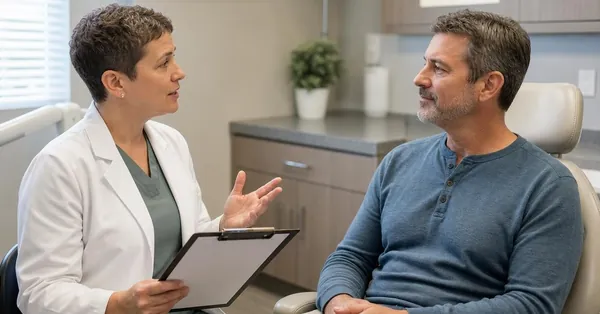
If you are researching All On 4 Dental Implants Grand Prairie, the biggest question is often simple: am I actually a good candidate? The answer depends less on age and more on whether your gums, bone, and overall health can support implants safely and predictably.
In our previous blog, "All-on-4 Candidacy Checklist And Alternatives," we discussed a broad checklist and other options. In this article, we focus specifically on the health and bone factors that most often decide whether All-on-4 is the right fit, and what your plan might look like if extra steps are needed.
TL;DR - The Biggest All-on-4 Candidacy Dealbreakers (and Fixes)
Most people who want a stable, non-removable smile are thinking about All-on-4 because it can replace many teeth at once. The best candidates typically have manageable medical risk, healthy gums (or gums that can be treated), and enough usable bone in key areas for secure implant placement.
- Bone matters in specific spots: it is about quality and anatomy, not just "how much bone" overall.
- Gum health must be stable: active infection is usually treated before implants are placed.
- Medical risks can change the plan: smoking, uncontrolled diabetes, and some medications can affect healing.
- Imaging guides safety: scans help map bone shape and important anatomy so the plan is customized.
- Alternatives exist: if All-on-4 is not ideal, other implant-supported options may still work.
What "Good Candidate" Really Means for All-on-4
All-on-4 is a full-arch approach that uses a small number of implants to support a fixed set of teeth. Being a "good candidate" generally means your dentist can create a plan that is stable (implants can be anchored well), healthy (infection and inflammation are controlled), and safe (the plan respects your anatomy and medical considerations).
At Fresh Family Dental, Dr. Ronak Patel focuses on patient-centered planning and implant restorations, so candidacy is treated as a clinical decision, not a one-size-fits-all sales pitch.
Bone Factors: What Your Dentist Is Checking
For many patients, the deciding factor is bone. That does not always mean you are "disqualified" if you have bone loss. It means the team has to answer a few key questions before confirming an All-on-4 plan.
1) Bone Quantity (Height and Width) Where Implants Need to Sit
Implants need enough bone to be supported in the right positions. In a full-arch plan, the goal is to place implants where they can carry chewing forces without putting excessive stress on the bone or the restoration.
2) Bone Quality (Density) and Its Effect on Stability
Bone density varies from person to person and between the upper and lower jaw. Lower-density bone can still support implants, but it may influence the approach, healing expectations, or whether additional stabilization steps are considered.
3) Anatomy and Safety Zones
A careful plan has to account for anatomy inside the jaw. Imaging helps your dentist map these areas and avoid surprises. Patients often hear "scan" and assume it is about showing them pictures. Clinically, it is about confirming safe and precise positioning.
4) Bite Forces and Jaw Function
People who clench or grind, or who have certain bite patterns, can place higher forces on implants and the full-arch bridge. That does not automatically rule you out, but it can change design choices and the maintenance plan.
If you are still exploring implant options in general, our first dental implant consultation guide explains what to expect and what to ask so you can make decisions confidently.
Gum and Oral Health Factors That Affect Candidacy
Healthy gums matter because implants depend on a healthy foundation. If there is active inflammation or infection, your dentist may recommend treating it first so healing is more predictable.
Common Oral Health Issues That May Need to Be Stabilized First
- Gum disease: especially if there is bleeding, deep pockets, or active infection.
- Untreated decay: remaining teeth that will be kept (in partial-arch cases) need to be stable.
- Chronic dry mouth: can increase the risk of irritation and infection around restorations.
- Inconsistent home care: full-arch implants still need daily cleaning and professional maintenance.
Experience note from our team: patients sometimes assume implants are "immune" to gum problems. In reality, the healthier and calmer your gum tissues are before treatment, the smoother your adaptation and long-term maintenance tends to be.
Medical Screening: Health Factors That Can Change the Plan
One reason All-on-4 planning is personal is that healing is personal. Your medical history can affect infection risk, bone healing, and how your body responds after surgery.
Smoking and Vaping
Smoking and vaping are commonly discussed because they can negatively affect healing and increase complication risk. If you use nicotine, your dentist may recommend a change in timing or supportive steps to improve predictability.
Diabetes and Blood Sugar Control
Diabetes does not automatically mean you cannot get implants, but stable control tends to support better healing outcomes. Your dentist may ask about how well-managed your diabetes is and may recommend coordinating with your physician.
Medications and Bone Metabolism
Some medications can affect bone turnover and healing. Always bring a current medication list to your consult. The goal is not to "disqualify" you, but to choose the safest plan and timeline.
Sleep, Stress, and Clenching
People who grind at night or clench during stress can put extra load on full-arch restorations. If this applies to you, it may affect the design of the teeth and your nightguard recommendation after treatment.
How Imaging Helps Confirm All On 4 Dental Implants Grand Prairie Plans
If you are looking at All On 4 Dental Implants Grand Prairie options, imaging is one of the biggest reasons you can get a clear answer instead of a guess. In plain terms, imaging helps the team:
- Evaluate bone shape and density in implant areas
- Plan implant positions around important anatomy
- Identify issues that may need treatment before implants
- Set realistic expectations for stability and long-term maintenance
What If I Am Not a Perfect Candidate Right Now?
Many patients are not perfect candidates on day one. That does not always mean "no." It often means "not yet," or "yes, but with a different plan."
Common "Plan Adjustments" If Bone or Health Needs Support
- Gum therapy first: to reduce inflammation and stabilize infection risk.
- Staged treatment: addressing extractions or healing needs before final implant placement.
- Alternative implant options: sometimes a different number or configuration of implants is more predictable than a strict All-on-4 approach.
If you are comparing implant approaches to other tooth replacement options, our article Implants vs. Bridge: Which Option Fits You? can help you weigh long-term tradeoffs.
Where All-on-4 Fits Within Dental Implants in Grand Prairie
All-on-4 is one of several ways to use implants to restore function and confidence. If you are exploring dental implants in Grand Prairie for a full-arch solution, the right next step is a candidacy-focused consultation: evaluate bone, gums, bite, and medical considerations, then build a plan around your goals.
FAQs
Candidacy is based on a combination of factors: gum health, how much usable bone you have in key areas, your bite and jaw function, and medical considerations like smoking, diabetes control, and medications. A consultation and imaging help your dentist determine whether All-on-4 is predictable for you or if another plan is safer.
You need enough healthy bone in specific regions to stabilize implants, and the bone must be suitable quality as well as quantity. Imaging is used to evaluate bone height, width, and anatomy so the team can plan implant position. If bone is limited, your dentist may discuss additional steps or alternative implant options.
Possibly, but active gum infection needs to be addressed first. Healthy gums and good daily home care are important for long-term implant support. Your dentist may recommend periodontal treatment and improved inflammation control before moving forward.
Smoking can reduce healing and increase the risk of complications for implants. If you smoke or vape, your dentist will discuss how it affects your individual risk and what changes can improve candidacy, such as reducing or stopping before and after treatment.
Diabetes does not automatically rule out implants, but uncontrolled blood sugar can make healing less predictable and raise complication risk. Your dentist may coordinate recommendations with your physician and focus on stable control before proceeding.
Related Reading
- All-on-4 dental implants information
- All-on-4 vs traditional implants
- All-on-4 vs implant dentures
- Dental implant candidacy checklist
- Insurance and financing
Conclusion: The Best Next Step Is a Candid Conversation (Not Guesswork)
The fastest way to find out whether All-on-4 fits your health and bone situation is to get a personalized evaluation. Even if you have gum disease history, bone loss, or medical considerations, you may still have options. The key is choosing a plan that is safe, stable, and maintainable long-term.
Ready to Talk Through Your Options?
If you are considering All On 4 Dental Implants Grand Prairie or exploring dental implants in Grand Prairie, our team is here to help you understand your candidacy and next steps. Call (972) 546-3888.


5 Stars
based on 15 reviews